Slideshow Nystatin Powder - Clinical Pharmacology Pharmacokinetics Nystatin is not absorbed from intact skin or mucous membrane. Microbiology Nystatin is an antibiotic which is both fungistatic and fungicidal in vitro against a wide variety of yeasts and yeast-like fungi, including Candida albicans, C. Parapsilosis, C.
Tropicalis, C. Guilliermondi, C. Pseudotropicalis, C. Krusei, Torulopsis glabrata, Tricophyton rubrum, T. Nystatin acts by binding to sterols in the cell membrane of susceptible species resulting in a change in membrane permeability and the subsequent leakage of intracellular components. On repeated subculturing with increasing levels of nystatin, Candida albicans does not develop resistance to nystatin. Generally, resistance to nystatin does not develop during therapy.
However, other species of Candida (C. Tropicalis, C. Guilliermondi, C. Krusei, and C. Stellatoides) become quite resistant on treatment with nystatin and simultaneously become cross resistant to amphotericin as well.
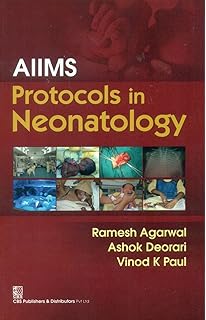
Download and Read Meharban Singh Pediatrics Drug Dosage Pdf. Now welcome, the most inspiring book today from a very professional writer in the world, meharban singh. Download and Read Meharban Singh Pediatrics Drug Dosage Pdf Meharban Singh Pediatrics Drug Dosage Pdf Find loads of the book catalogues in this site as the choice of.
What Is This Thing Called Knowledge Pritchard Pdf Files on this page. This resistance is lost when the antibiotic is removed. Nystatin exhibits no appreciable activity against bacteria, protozoa, or viruses. Indications and Usage for Nystatin Powder Nystatin topical powder is indicated in the treatment of cutaneous or mucocutaneous mycotic infections caused by Candida albicans and other susceptible Candida species.
Nystatin topical powder is not indicated for systemic, oral, intravaginal or ophthalmic use. Contraindications Nystatin topical powder is contraindicated in patients with a history of hypersensitivity to any of its components. Precautions General Nystatin topical powder should not be used for the treatment of systemic, oral, intravaginal or ophthalmic infections. If irritation or sensitization develops, treatment should be discontinued and appropriate measures taken as indicated. It is recommended that KOH smears, cultures, or other diagnostic methods be used to confirm the diagnosis of cutaneous or mucocutaneous candidiasis and to rule out infection caused by other pathogens.
Compressor Aerodynamics Cumpsty Pdf Free. INFORMATION FOR THE PATIENT Patients using this medication should receive the following information and instructions: • The patient should be instructed to use this medication as directed (including the replacement of missed doses). This medication is not for any disorder other than that for which it is prescribed.
• Even if symptomatic relief occurs within the first few days of treatment, the patient should be advised not to interrupt or discontinue therapy until the prescribed course of treatment is completed. • If symptoms of irritation develop, the patient should be advised to notify the physician promptly.
Laboratory Tests If there is lack of therapeutic response, KOH smears, cultures, or other diagnostic methods should be repeated. Carcinogenesis, Mutagenesis, Impairment of Fertility No long-term animal studies have been performed to evaluate the carcinogenic potential of nystatin.
No studies have been performed to determine the mutagenicity of nystatin or its effects on male or female fertility. Pregnancy Teratogenic Effects Category C Animal reproduction studies have not been conducted with any nystatin topical preparation. It also is not known whether these preparations can cause fetal harm when used by a pregnant woman or can affect reproductive capacity. Nystatin topical powder should be prescribed for a pregnant woman only if the potential benefit to the mother outweighs the potential risk to the fetus.
Nursing Mothers It is not known whether nystatin is excreted in human milk. Caution should be exercised when nystatin is prescribed for a nursing woman. Pediatric Use Safety and effectiveness have been established in the pediatric population from birth to 16 years. (See.) Geriatric Use Clinical studies with nystatin topical powder did not include sufficient numbers of subjects aged 65 years and older to determine whether they respond differently than younger subjects. Other reported clinical experience has not identified differences in responses between elderly and younger patients, but greater sensitivity of some older individuals cannot be ruled out. Adverse Reactions The frequency of adverse events reported in patients using nystatin topical powder is less than 0.1%. The more common events that were reported include allergic reactions, burning, itching, rash, eczema, and pain on application.
Most Viewed Articles
- Michael Jackson Greatest Hits Download
- The Big Bang Theory Stagione 1 720p Ita Download Music
- Apartheid 1 0 Lxde I686 Iso 9000
- Icecold Msn Freezer Free Download Free
- Sony Bluetooth Keyboard Manual
- 4cd Battle Dune Emperor Isohunt
- Cnccom Fanuc Programacao
- Download Cosmopolitan Rapidshare 2008 Presidential Candidates
- Ahm 250 Material Pdf To Excel
- Brotherhood Codex Edition Unlocker Software
- Free Download Program Langenscheidt Verbtabellen Deutsch Pdf Editor
- Scott An Aid To Clinical Surgery Latest Edition Of Java
- Mirah The Garden Instrumentals
- Cat Factory Password Keygen
- Digital Painting Techniques Vol 1 Pdf
- Robert Randolph And The Family Band Tour Dates
- Rosetta Stone Chinese Mandarin Level 4 Isolation
- Abaqus Welding Interface Crackle
- Testamentul Francez Pdf To Word